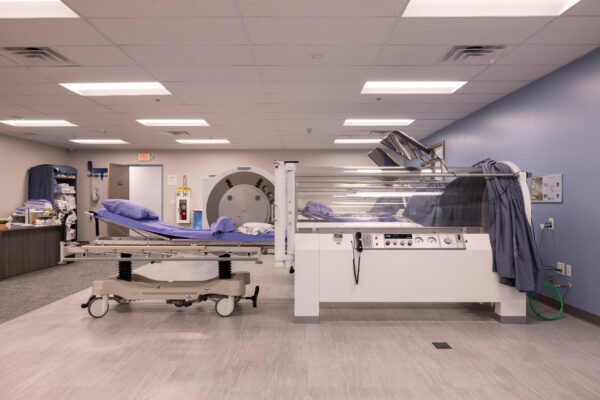
Most patients with avascular necrosis of the femoral head are told their primary option is surgery — and most of them have never been told that hyperbaric oxygen therapy is a recognized treatment option that many private insurers now cover.
My name is Dr. Cyrus Garmo. I am board-certified in Internal Medicine and certified in Hyperbaric Medicine through ATMO, recognized by the Undersea and Hyperbaric Medical Society. At RevitalizeMe Hyperbaric Oxygen and Wound Care in Saginaw, Michigan, we work with patients and their orthopedic surgeons to make sure every appropriate treatment option is on the table before major decisions are made.
In this article:
- What avascular necrosis is and why bone tissue dies
- The traditional treatment path and its considerations
- How hyperbaric oxygen therapy works for avascular necrosis
- What the UHMS says and what insurance covers
- Who may be a good candidate for HBOT
- What orthopedic surgeons should know about referring
What Is Avascular Necrosis and Why Does Bone Die?
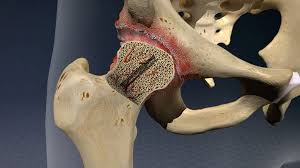
Avascular necrosis, also called osteonecrosis, occurs when blood supply to a bone is disrupted and bone tissue begins to die as a result. The femoral head is the most commonly affected site, though avascular necrosis can occur in other bones as well.
Without adequate blood supply, bone cells do not receive the oxygen and nutrients they need to survive. Over time, the bone weakens, the joint surface may collapse, and the result can be significant pain and loss of function.
Common risk factors include long-term corticosteroid use, excessive alcohol consumption, trauma to the hip, sickle cell disease, and certain autoimmune conditions. The condition is frequently diagnosed in patients between the ages of 30 and 60 — an age group where a major joint replacement carries significant long-term implications.
The Traditional Treatment Path and Its Considerations
Orthopedic surgeons approach avascular necrosis with a range of options depending on the stage of disease at diagnosis. Early-stage disease may be managed with core decompression. More advanced cases, particularly those with joint surface collapse, typically require total hip replacement.
These are legitimate and effective interventions. The question many patients ask — particularly younger patients facing the possibility of a hip replacement — is whether there are options that might slow progression or support bone recovery before surgical intervention becomes necessary. That is where hyperbaric oxygen therapy enters the conversation.
How Hyperbaric Oxygen Therapy Works for Avascular Necrosis
Avascular necrosis by definition involves compromised blood supply and therefore reduced oxygen delivery to bone tissue. Hyperbaric oxygen therapy dramatically increases the amount of dissolved oxygen in the blood plasma, allowing oxygen to reach tissues that are not being adequately supplied through the normal red blood cell pathway.
In bone tissue specifically, elevated oxygen levels support osteoblast function — the cells responsible for building and repairing bone. HBOT also promotes angiogenesis, the formation of new blood vessels, which over time may help restore some of the vascular supply that was disrupted. It reduces inflammation and supports the cellular environment needed for tissue recovery.
The goal in using HBOT for avascular necrosis is to support the bone’s capacity for recovery at a stage when that recovery is still possible. This is most relevant in earlier-stage disease where the goal is halting progression and supporting the tissue environment.
What the UHMS Says and What Insurance Covers
The Undersea and Hyperbaric Medical Society has recognized avascular necrosis as an indication for hyperbaric oxygen therapy in its published Hyperbaric Oxygen Therapy Indications reference.
It is important to be transparent about coverage. Avascular necrosis is not currently a covered indication under Medicare’s National Coverage Determination 20.29. However, many private insurance plans do provide coverage for HBOT for this indication, particularly when UHMS recognition is documented and medical necessity is clearly established. Coverage varies by plan and insurer. Our team verifies coverage before treatment begins.
For patients and families exploring treatment options for avascular necrosis, contact RevitalizeMe Hyperbaric Oxygen and Wound Care in Saginaw. Call (989) 320-4434 or visit revitalizemehyperbaricwoundcare.com to schedule a consultation. We work directly with your orthopedic surgeon and care team.
Who May Be a Good Candidate for HBOT?
This is a clinical determination that requires individual evaluation and should be made in coordination with your orthopedic surgeon and treating physicians. What I can say in general terms is that the research and clinical experience with HBOT for avascular necrosis tends to focus on earlier-stage disease — cases where bone structure is still largely intact and the goal is supporting recovery rather than reversing advanced collapse.
The right starting point is a conversation with your orthopedic surgeon about whether HBOT is worth exploring for your specific situation, followed by a consultation with a hyperbaric physician to evaluate candidacy.
What Orthopedic Surgeons Should Know About Referring
For orthopedic surgeons reading this, we welcome collaborative relationships on avascular necrosis cases. We understand that surgical management remains the standard of care for advanced disease and we are not suggesting otherwise. Our role is to provide HBOT as a complementary option for appropriate patients and to communicate directly with the surgical team throughout.
If you have a patient with early to moderate avascular necrosis who is interested in exploring HBOT alongside their orthopedic management plan, we are happy to evaluate them and provide a detailed consultation report. Physician-to-physician conversations are always welcome. Call us directly at (989) 320-4434.
FAQ: HBOT for Avascular Necrosis
Can hyperbaric oxygen therapy treat avascular necrosis without surgery?
HBOT is a recognized treatment option for avascular necrosis by the UHMS and has been used as part of the management plan for appropriate patients, particularly in earlier-stage disease. It is not a replacement for surgical care in advanced cases. Whether it is appropriate for your specific situation is a conversation to have with your orthopedic surgeon and a hyperbaric physician. Individual outcomes vary.
Does insurance cover HBOT for avascular necrosis?
Medicare does not currently cover HBOT for avascular necrosis under NCD 20.29. Many private insurance plans do provide coverage given the UHMS recognition of this indication. Coverage varies by plan. Our team will verify your coverage before treatment begins.
What stage of avascular necrosis responds best to HBOT?
The clinical literature generally focuses on earlier-stage disease where bone structure is still relatively intact. This is a clinical determination that requires individual evaluation. Discuss your specific stage and situation with your orthopedic surgeon and a hyperbaric physician.
How many HBOT sessions are needed for avascular necrosis?
The number of sessions is determined based on individual clinical evaluation and in coordination with your treating physicians. A consultation will address your individual situation.
What is the UHMS position on hyperbaric oxygen for avascular necrosis?
The Undersea and Hyperbaric Medical Society has included avascular necrosis as a recognized indication for hyperbaric oxygen therapy in its published Hyperbaric Oxygen Therapy Indications reference, which is the standard clinical reference in the hyperbaric medicine field.
— Dr. Cyrus Garmo, MD
Board-Certified Internal Medicine | Certified Hyperbaric Medicine, ATMO/UHMS
RevitalizeMe Hyperbaric Oxygen and Wound Care, Saginaw, MI
Individual results vary. This article is for informational purposes only and does not constitute medical advice. Please consult your physician regarding your individual care.