If you woke up this morning and one ear was suddenly silent, you have a narrow window to act — and most patients do not know that hyperbaric oxygen therapy exists as a treatment option until that window has already closed.
My name is Dr. Cyrus Garmo. I am board-certified in Internal Medicine and certified in Hyperbaric Medicine through ATMO, recognized by the Undersea and Hyperbaric Medical Society. At RevitalizeMe Hyperbaric Oxygen and Wound Care in Saginaw, Michigan, we work alongside ENT physicians and referring providers to give patients access to every appropriate treatment option as quickly as possible. Sudden sensorineural hearing loss is one of the conditions where that speed genuinely matters.
In this article:
- What sudden sensorineural hearing loss is and why it happens
- Why time is the most important factor in treatment
- What the research and UHMS say about HBOT
- Insurance coverage and what to ask your provider
- What to tell your ENT and when to call us directly
- What treatment looks like at RevitalizeMe
What Is Sudden Sensorineural Hearing Loss and Why Does It Happen?
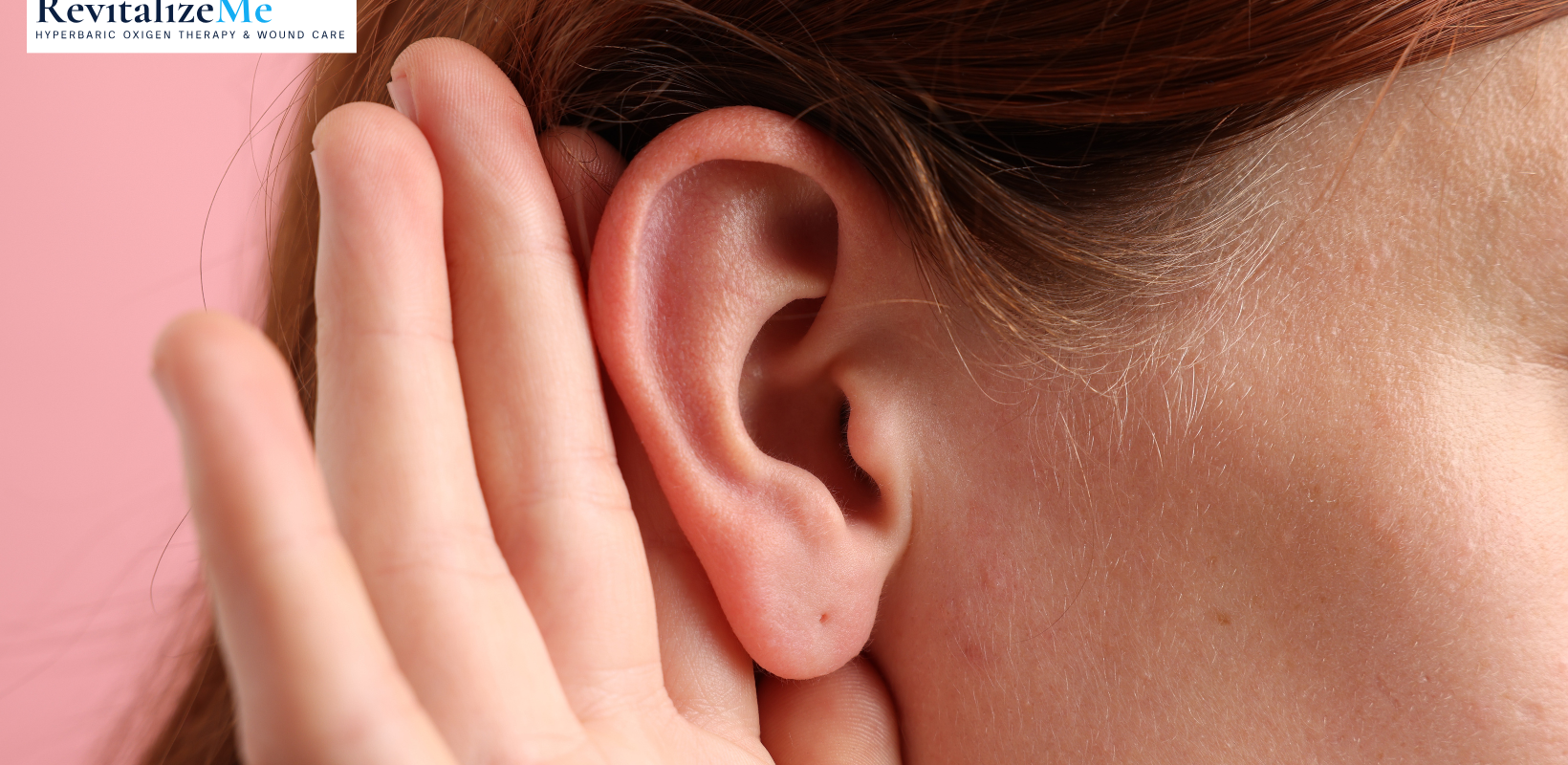
Sudden sensorineural hearing loss, often called SSHL or sudden deafness, is defined as a loss of 30 decibels or more in three connected frequencies occurring over 72 hours or less. It affects roughly 5 to 27 people per 100,000 annually, though this figure is likely an undercount because some cases resolve spontaneously before a patient seeks care.
The exact cause is unknown in most cases. Leading theories include viral infection affecting the inner ear, vascular disruption reducing blood flow to cochlear tissue, and autoimmune processes. The cochlea is extraordinarily sensitive to oxygen deprivation, which is part of why hyperbaric oxygen therapy has been studied as a treatment.
Most patients describe waking up with hearing loss, sometimes accompanied by a feeling of fullness in the ear, tinnitus, or dizziness. It is frequently mistaken at first for congestion or an ear infection. By the time the correct diagnosis is made and treatment begins, valuable days can already be lost.
Why Time Is the Most Important Factor in Treatment
The cochlear hair cells responsible for hearing do not regenerate. Once they are damaged beyond a certain threshold, that damage is permanent. The treatment window for SSHL is narrow. Most evidence supports initiating treatment within the first two weeks of symptom onset, with outcomes generally better the earlier treatment begins.
This is not a condition where it is reasonable to wait and see for several weeks before seeking a specialist. If you or someone you know experiences sudden hearing loss in one ear, the appropriate response is to contact an ENT physician as soon as possible.
I am not suggesting patients bypass their ENT or primary care physician. Quite the opposite. The most effective approach is a coordinated one — your ENT managing the primary treatment protocol and a hyperbaric center like ours providing HBOT as a complementary treatment alongside it. We work directly with referring providers on these cases.
What Does the Research Say About HBOT for Sudden Hearing Loss?
The Undersea and Hyperbaric Medical Society has recognized sudden sensorineural hearing loss as an indication for hyperbaric oxygen therapy in its published Hyperbaric Oxygen Therapy Indications reference. This is the standard clinical resource in this field.
The proposed mechanism is straightforward. The cochlea is one of the highest oxygen-consuming tissues in the body and has limited vascular redundancy. When cochlear tissue becomes hypoxic, delivering significantly elevated oxygen concentrations through HBOT may help support tissue recovery and reduce permanent damage.
Multiple randomized controlled trials and systematic reviews have evaluated HBOT for SSHL, particularly when used in combination with standard corticosteroid therapy. The evidence supports HBOT as a beneficial adjunct treatment, especially for patients with severe initial hearing loss and those who have not responded adequately to steroids alone.
I want to be clear that HBOT is not a guaranteed cure for sudden hearing loss and individual outcomes vary. The research supports it as a treatment option with meaningful evidence — not as a replacement for standard care, but as a complement to it. Patients should discuss their individual situation with their treating physicians.
Is HBOT for Sudden Hearing Loss Covered by Insurance?
Sudden sensorineural hearing loss is not currently a covered indication under Medicare’s National Coverage Determination 20.29 for hyperbaric oxygen therapy. However, many private insurance plans do cover HBOT for sudden hearing loss, particularly when it is UHMS-recognized and documented as medically necessary.
Coverage varies significantly by plan, insurer, and individual policy. Before beginning treatment, our team will work with you to verify your specific coverage and handle prior authorization where applicable.
If you have questions about coverage for your specific situation, call us at (989) 320-4434 and we can help you navigate that process.
Schedule a ConsultationIf you or a family member has been diagnosed with sudden hearing loss and you want to explore whether HBOT is appropriate as part of your treatment plan, contact RevitalizeMe Hyperbaric Oxygen and Wound Care in Saginaw. Call (989) 320-4434 or visit revitalizemehyperbaricwoundcare.com. We work directly with ENT physicians and can coordinate care quickly.
Schedule a ConsultationWhat to Tell Your ENT — and When to Call Us Directly
If you have been diagnosed with sudden sensorineural hearing loss, ask your ENT whether hyperbaric oxygen therapy has been considered as part of your treatment plan. Bring up the UHMS recognition specifically. Many ENT physicians are familiar with HBOT for SSHL. You can mention that RevitalizeMe in Saginaw offers medical-grade HBOT and works directly with referring providers on coordination.
For ENT physicians reading this: we welcome physician-to-physician conversations about shared patients. If you have a patient with SSHL who you believe may benefit from HBOT as an adjunct to your treatment protocol, call us directly at (989) 320-4434. We will coordinate around your treatment timeline and communicate back to you throughout the course of treatment.
Schedule a ConsultationThe most important thing for patients is not to let the referral process slow down initiation of treatment. If time is passing and you are having difficulty getting a referral coordinated, call us directly. We will work with your existing care team from there.
What Treatment Looks Like at RevitalizeMe
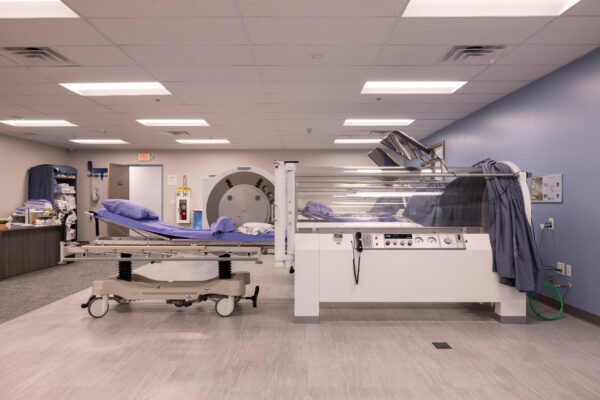
For patients with sudden sensorineural hearing loss, HBOT at our center involves breathing 100 percent oxygen in our Sechrist hard acrylic monoplace chambers at increased atmospheric pressure. Each session is typically 90 minutes. The number of sessions recommended will depend on your individual clinical picture and will be determined in consultation with your treating physician.
The treatment itself is not uncomfortable for most patients. You lie in the chamber, breathe normally, and can watch television or rest during the session. Staff are present and monitoring throughout.
To schedule a consultation or to discuss a referral, call (989) 320-4434 or visit revitalizemehyperbaricwoundcare.com. We accept most major private insurance plans and will verify your coverage before treatment begins.
Schedule a ConsultationFAQ: Hyperbaric Oxygen Therapy for Sudden Hearing Loss
Can hyperbaric oxygen therapy restore hearing after sudden hearing loss?
HBOT has demonstrated clinical benefit as an adjunct treatment for sudden sensorineural hearing loss, particularly when initiated early and in combination with standard corticosteroid therapy. Individual outcomes vary and HBOT is not a guaranteed cure. The UHMS has recognized sudden hearing loss as an indication for HBOT. Discuss your individual situation with your treating physician.
How soon after sudden hearing loss should I start HBOT?
Earlier is consistently associated with better outcomes in the research. Most evidence supports initiating treatment within the first two weeks of symptom onset. If you have been diagnosed with sudden hearing loss, discuss HBOT with your ENT as soon as possible rather than waiting.
Does insurance cover HBOT for sudden hearing loss?
Medicare does not currently cover HBOT for sudden hearing loss under NCD 20.29. Many private insurance plans do provide coverage, though this varies by plan and insurer. Our team will verify your specific coverage before treatment begins. Call us at (989) 320-4434 for assistance.
Schedule a ConsultationWhat is the UHMS recommendation for sudden hearing loss?
The Undersea and Hyperbaric Medical Society has recognized sudden sensorineural hearing loss as an indication for hyperbaric oxygen therapy in its published Hyperbaric Oxygen Therapy Indications reference. This is the primary clinical reference used by hyperbaric physicians to evaluate appropriate indications for treatment.
Should I see an ENT or a hyperbaric physician first?
See your ENT or primary care physician first for diagnosis and to initiate standard treatment. HBOT works best as a complement to standard care, not a replacement for it. Once you have a diagnosis, ask your ENT about adding HBOT to your treatment plan and contact us to coordinate quickly given the time-sensitive nature of this condition.
— Dr. Cyrus Garmo, MD
Board-Certified Internal Medicine | Certified Hyperbaric Medicine, ATMO/UHMS
RevitalizeMe Hyperbaric Oxygen and Wound Care, Saginaw, MI
Individual results vary. This article is for informational purposes only and does not constitute medical advice. Please consult your physician regarding your individual care.