Hyperbaric oxygen therapy has been used clinically for decades, and in that time, serious incidents at properly run centers are genuinely rare. But the phrase “properly run” is doing a lot of work in that sentence, and as a physician who oversees a hyperbaric program, I think patients and families deserve a straight answer about what safety actually looks like in practice.
My name is Dr. Cyrus Garmo. I am board-certified in Internal Medicine and certified in Hyperbaric Medicine through ATMO, recognized by the Undersea and Hyperbaric Medical Society. At RevitalizeMe Hyperbaric Oxygen and Wound Care in Saginaw, Michigan, we hold our safety program to the highest standards in the field. I want to walk you through what that means and what questions you should be asking before you start treatment anywhere.
In this article:
- How long has hyperbaric oxygen therapy been used
- What the real risks are and how common they actually are
- What separates a safe HBOT center from one that cuts corners
- Questions to ask before you start treatment
- What we do at RevitalizeMe to keep patients safe
- Who should not have hyperbaric oxygen therapy
How Long Has Hyperbaric Oxygen Therapy Been Used?
Hyperbaric oxygen therapy has been in clinical use for well over 60 years. It was first developed for treating decompression sickness in divers and has since been studied and adopted for a range of medical conditions recognized by the Undersea and Hyperbaric Medical Society and covered under Medicare’s National Coverage Determination 20.29.
This is not an experimental treatment. It is not a wellness trend. It is a medical procedure performed in a clinical setting under physician supervision with established protocols, safety standards, and regulatory oversight.
That history matters when you are evaluating whether something is safe. A treatment with decades of clinical use, peer-reviewed literature, and regulatory coverage is a very different conversation than something new and unproven.
What Are the Real Risks — and How Common Are They?
Like any medical treatment, hyperbaric oxygen therapy carries potential risks. I think patients deserve to hear these clearly rather than have them minimized.
The most common side effects are mild and temporary. Some patients experience ear or sinus discomfort as the chamber pressurizes, similar to the sensation of descending on an airplane. We teach patients how to equalize pressure before treatment begins and monitor them throughout. Temporary vision changes, typically mild nearsightedness, can occur with extended treatment courses and generally resolve after treatment ends.
More serious complications are rare at properly operated medical centers. Oxygen toxicity seizures can occur but are uncommon when treatment protocols are followed correctly and patients are properly screened and monitored. Barotrauma, which is pressure-related injury to the ears or sinuses, can occur but is minimized with proper technique and patient education.
Fire risk is the one that concerns people most when they hear about oxygen under pressure. This is a real consideration and it is why properly run centers have strict protocols around what materials, clothing, and personal items are permitted in the chamber. At our center, every patient receives a thorough safety briefing before their first session, wears approved cotton attire, and goes through a safety checklist with our certified staff every single time.
The key phrase in all of this is “properly operated medical center.” The risks I described are manageable with the right training, equipment, and protocols. They become more significant when those things are absent.
What Separates a Safe HBOT Center from One That Cuts Corners?
This is the question I wish more patients asked before starting treatment.
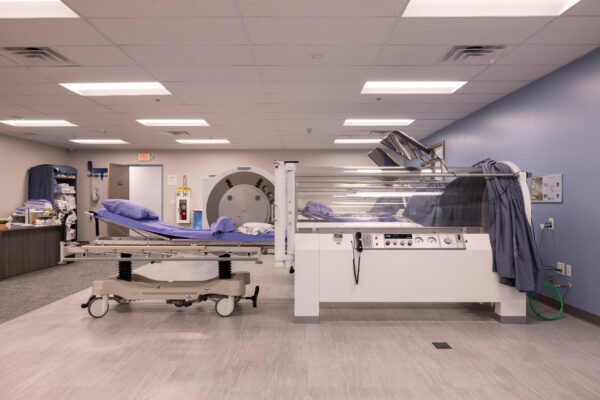
The hyperbaric industry has reputable medical centers operating alongside wellness spas and alternative health clinics that offer what they call “mild hyperbaric therapy” in soft-sided inflatable chambers at low pressures. These are not the same thing as medical-grade hyperbaric oxygen therapy and they operate under different regulatory standards.
Here is what to look for in a medical hyperbaric center:
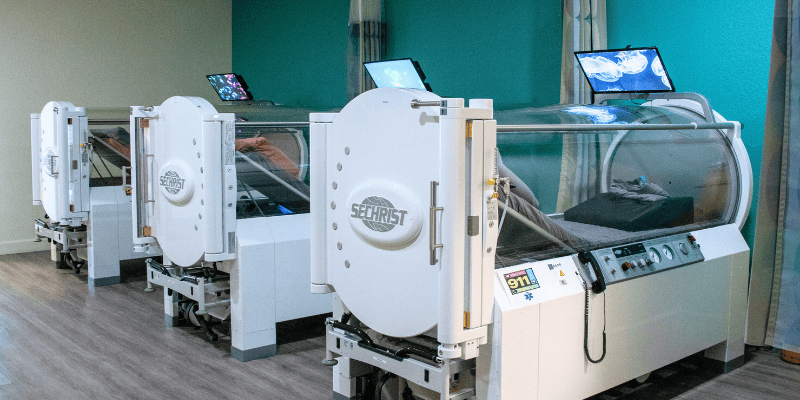
FDA-cleared chambers. The chambers used for medical HBOT should be FDA-cleared devices. At RevitalizeMe, we use Sechrist hard acrylic monoplace chambers, which are FDA-cleared medical devices designed and maintained to clinical standards. Ask any center you are considering whether their chambers are FDA-cleared and what model they use.
Physician oversight. Medical HBOT should be prescribed and supervised by a physician. There should be a Medical Director who is certified in hyperbaric medicine overseeing the program. Ask who the Medical Director is and what their credentials are.
Certified hyperbaric staff. The technicians and specialists operating the chambers should have formal hyperbaric training and certification. Ask about the credentials of the staff who will be with you during treatment.
A dedicated Safety Director. A properly run hyperbaric program has a designated Safety Director responsible for maintaining safety protocols, conducting safety briefings, and overseeing emergency procedures.
Annual manufacturer maintenance. The chambers should receive annual inspection and maintenance from the manufacturer or an authorized service provider. Ask when the last inspection was performed and whether maintenance records are available.
Grounding protocols. Static electricity in a high-oxygen environment requires specific grounding procedures. A reputable center has these protocols built into every session.
Pre-treatment safety screening. Every patient should be screened for contraindications before starting HBOT. If a center is willing to start you in a chamber without a thorough intake process, that is a concern.
If you have questions about whether hyperbaric oxygen therapy is right for you, or if you want to learn more about our safety program at RevitalizeMe, call us at (989) 320-4434 or visit revitalizemehyperbaricwoundcare.com. We are happy to walk you through our protocols before you make any decision.
Schedule a ConsultationQuestions to Ask Before You Start Treatment Anywhere
I encourage every patient to ask these questions of any hyperbaric center they are considering, including ours:
- Are your chambers FDA-cleared medical devices? What model and manufacturer?
- Is there a physician Medical Director certified in hyperbaric medicine overseeing this program?
- What are the credentials of the staff operating the chamber during my treatment?
- Do you have a dedicated Safety Director?
- When was the last manufacturer inspection and maintenance performed?
- What is your pre-treatment screening process?
- What safety protocols do you follow for attire, grounding, and prohibited items?
- What happens if I have a problem during a session?
A reputable center will answer every one of these questions without hesitation. If any center becomes evasive or dismissive when you ask about safety credentials and protocols, that is useful information.
What We Do at RevitalizeMe to Keep Patients Safe
At our center in Saginaw, safety is not a checklist we complete at the beginning of the year and set aside. It is part of every single session.
Before a patient ever enters a chamber, they go through a comprehensive safety orientation with our Safety Director. They learn what to expect, how to equalize pressure, what is and is not permitted in the chamber, and what to do if they experience any discomfort. This is not a five-minute conversation. We take the time to make sure every patient feels genuinely informed and comfortable.
Every session begins with a safety checklist reviewed with staff. Patients wear approved cotton attire. Grounding is confirmed. Prohibited items are secured. The chamber is inspected before use.
Our chambers are Sechrist hard acrylic monoplace units, which are FDA-cleared medical devices. They receive regular maintenance and inspection. Our program is led by a physician Medical Director certified in hyperbaric medicine and staffed by trained hyperbaric specialists.
Who Should Not Have Hyperbaric Oxygen Therapy?
There are certain conditions that may make hyperbaric oxygen therapy inappropriate or require additional evaluation before proceeding. This is why the intake process matters. Every patient who comes to our center is screened before treatment begins. If there are factors that need further evaluation, we address them. If a patient is not a good candidate for HBOT, we will tell them that directly and discuss what other options may be appropriate.
That conversation belongs between a patient and their physician. What I will say is that proper screening is non-negotiable at a reputable center.
If you are considering hyperbaric oxygen therapy and want to understand whether it is appropriate for your specific situation, contact RevitalizeMe Hyperbaric Oxygen and Wound Care in Saginaw. Call (989) 320-4434 or visit revitalizemehyperbaricwoundcare.com to schedule a consultation. We accept Medicare, Medicaid, and most major private insurance.
Schedule a ConsultationFAQ: Your Questions About HBOT Safety Answered
Is hyperbaric oxygen therapy FDA approved?
The FDA regulates hyperbaric chambers as medical devices and has cleared specific chamber models for medical use. HBOT is also recognized under Medicare’s National Coverage Determination 20.29 for specific covered indications. If you are receiving treatment at a medical center, ask whether their chambers are FDA-cleared.
What are the side effects of hyperbaric oxygen therapy?
The most common side effects are mild ear or sinus discomfort during pressurization and occasional temporary vision changes with extended treatment courses. More serious complications are uncommon at properly operated medical centers. Your physician will review potential side effects with you as part of the informed consent process before treatment begins.
Can hyperbaric oxygen therapy cause oxygen toxicity?
Oxygen toxicity is a known risk but is rare when established treatment protocols are followed and patients are properly screened and monitored. This is one of the reasons physician oversight and trained staff matter. Consult your physician about your individual risk factors.
What should I wear during hyperbaric oxygen therapy?
Patients are typically required to wear 100 percent cotton attire during treatment. Synthetic fabrics, certain lotions, perfumes, and personal items are generally not permitted in the chamber due to fire safety protocols. Your center’s safety staff will provide specific instructions before your first session.
How do I know if a hyperbaric center is reputable?
Ask about FDA-cleared chambers, physician oversight by a certified Medical Director, staff credentials, a dedicated Safety Director, and annual manufacturer maintenance. A reputable center will answer these questions clearly and without hesitation.
— Dr. Cyrus Garmo, MD
Board-Certified Internal Medicine | Certified Hyperbaric Medicine, ATMO/UHMS
RevitalizeMe Hyperbaric Oxygen and Wound Care, Saginaw, MI
Individual results vary. This article is for informational purposes only and does not constitute medical advice. Please consult your physician regarding your individual care.